Grip Fundamentals: The Only Connection to the Club
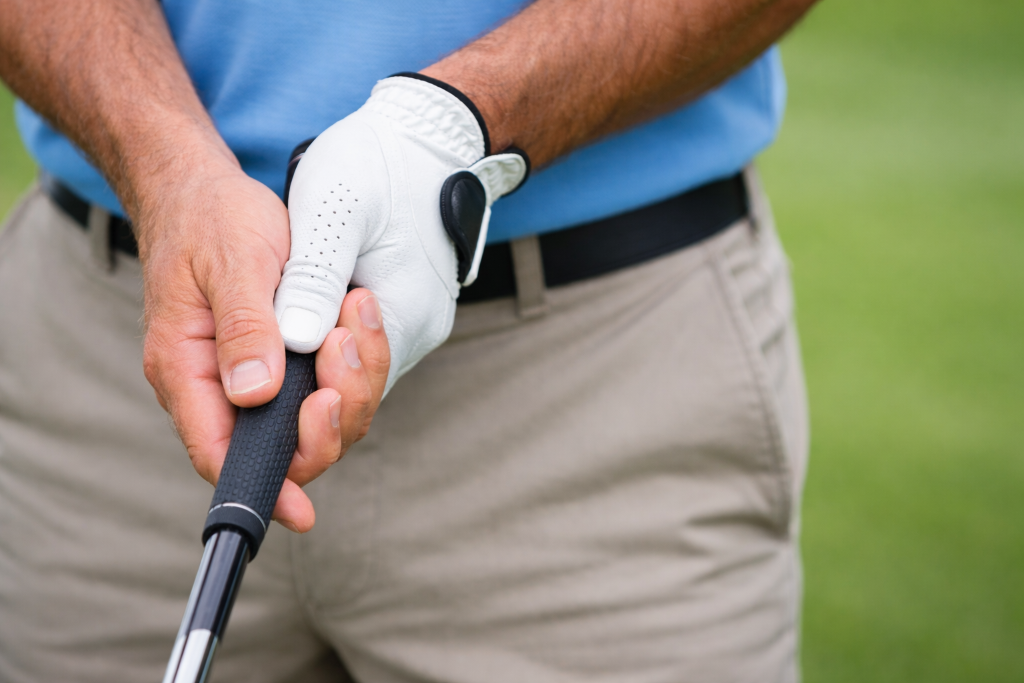
The golf grip is the single point of contact between the golfer and the club, which makes it one of the most important—and most misunderstood—fundamentals in the game. While many players obsess over swing positions, the truth is simple: a flawed grip forces the body to compensate, often leading to inconsistency, loss of power, and poor ball flight.
At its core, the grip's job is to control the clubface. Research in modern golf instruction consistently shows that clubface angle at impact is the dominant factor in determining ball direction. The hands control the face, and the grip controls the hands.
Neutral Grip: The Gold Standard
Most instructors teach a neutral grip as the foundation. This does not mean "weak" or "strong," but rather balanced.
For a right-handed golfer:
- The club should run diagonally across the fingers of the lead hand (left hand), not deep in the palm.
- When you look down, you should see two to three knuckles on the lead hand.
- The trail hand (right hand) should fit over the lead thumb comfortably, with the lifeline covering it.
This positioning allows the wrists to hinge naturally and promotes consistent face control without excessive manipulation.
Grip Pressure: Firm, Not Tense
One of the most common mistakes is gripping the club too tightly. High grip pressure reduces wrist mobility, slows clubhead speed, and makes it harder to square the face naturally.
A helpful reference used by many coaches is a 5 out of 10 pressure scale:
- Secure enough that the club won't slip
- Relaxed enough to allow athletic movement
Pressure should remain relatively constant throughout the swing, rather than tightening aggressively at impact.
Grip Types: Overlap, Interlock, and Baseball
There are three accepted grip styles, and all are valid at every level of play:
- Overlap (Vardon Grip): Most common among adult players; promotes control and unity.
- Interlock: Popular with players who have smaller hands; enhances connection between hands.
- Baseball (10-finger): Often used by beginners or players seeking comfort and leverage.
The "best" grip is the one that allows repeatable control without tension. Tour players use all three.
Common Grip Errors
- Too much palm contact (reduces wrist hinge)
- Grip too weak or too strong without understanding why
- Inconsistent hand placement from swing to swing
Fixing the grip often produces immediate improvements, which is why coaches frequently start here.