How a Golf Scorecard Works (and How to Fill One Out)
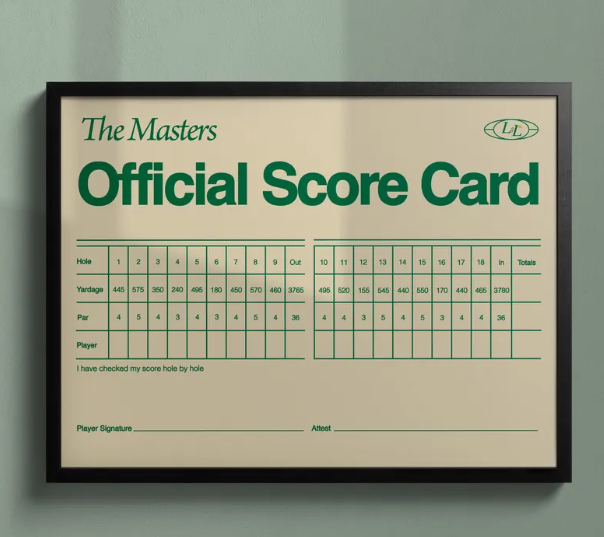
A golf scorecard is more than just a place to write numbers—it's the official record of how a round is played. Understanding how a scorecard works helps golfers track progress, understand scoring, and play the game with confidence and integrity. Fortunately, filling one out is much simpler than it looks.
What a Golf Scorecard Shows
At its most basic level, a scorecard lists each hole on the course, usually numbered 1 through 18. Under each hole number, you'll typically see three key pieces of information:
- Par – The expected number of strokes a skilled golfer should take to complete the hole.
- Yardage – The distance from each tee box to the hole.
- Handicap (HCP) – A ranking of hole difficulty, used mainly for handicap scoring and match play.
Most scorecards also include space for player names, total scores for the front nine (holes 1–9), back nine (holes 10–18), and the overall total for the round.
The Only Number That Truly Matters
When filling out a scorecard, the most important rule is simple: write down the total number of strokes you take on each hole.
Every swing at the ball counts as one stroke. This includes:
- Tee shots
- Fairway shots
- Chips and pitches
- Putts
- Penalty strokes
If you hit the ball into a penalty area or out of bounds and are assessed a penalty, that penalty stroke must be added to your score for the hole.
For example:
- If you reach the green in four strokes and take two putts, your score for the hole is 6.
- If par is 4, that would be a double bogey.
How to Fill Out the Card Hole by Hole
Most golfers fill out the scorecard after completing each hole. This helps avoid forgetting strokes and keeps the round organized.
Here's a simple process:
- Finish the hole and hole out your ball.
- Count all strokes taken, including penalties.
- Write that number in the box for the corresponding hole.
- Move on to the next tee.
At the turn (after hole 9), add up the scores for the front nine and write the total in the designated space. Do the same for the back nine at the end of the round.
Par Is Reference, Not Judgment
Par is there for context—it helps you understand how a hole is designed to be played. However, your scorecard doesn't care whether you beat par or not. A score of 7 on a par 4 is recorded the same way as a score of 3.
Beginners often feel pressure when they see par numbers, but the scorecard's purpose is recording reality, not evaluating skill. Accuracy matters more than comparison.
Optional Tracking (What Beginners Can Ignore)
Many scorecards include extra boxes for:
- Putts
- Fairways hit
- Greens in regulation
These are helpful for more experienced players, but beginners should feel no obligation to use them. In fact, tracking too many details early on can distract from learning the game.
For GolfDoc U: 101 players, focusing on total strokes only is the right approach.
Digital Scorecards and Simulators
In simulators and apps, scoring is often automatic. While convenient, it's still important to understand how scores are calculated. Knowing how to manually fill out a scorecard builds trust in the system and helps golfers recognize mistakes or misunderstandings.
Even when technology does the math, the fundamentals remain the same.
Note that you can also track your scores by using "My Stats" section of this app.
The Bigger Picture
A scorecard represents honesty, accountability, and respect for the game. Golf is one of the few sports where players are responsible for keeping their own score. Learning to fill out a scorecard correctly is one of the first steps toward truly playing golf—not just hitting balls.
Once you understand it, the scorecard becomes less intimidating and more empowering.